Your cart is currently empty.
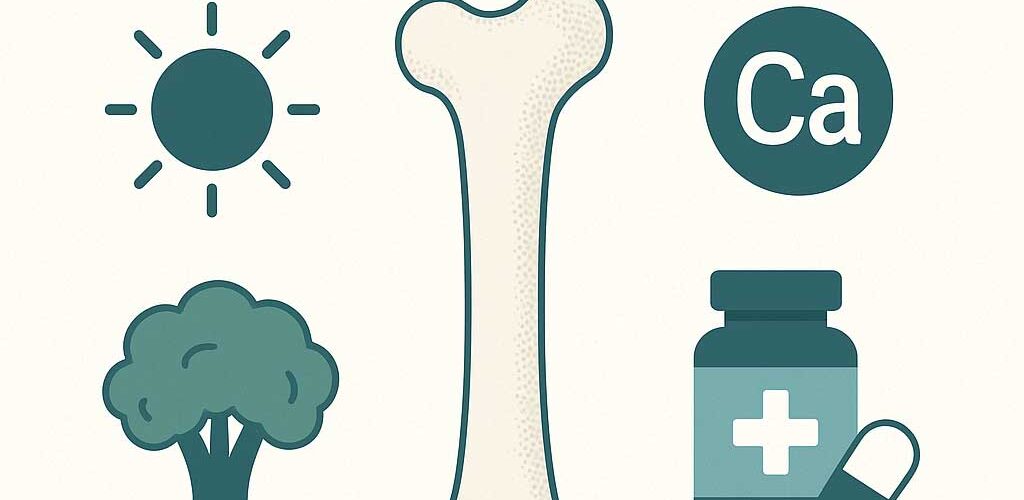
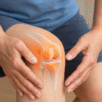
Maintaining strong bones is essential for living an active, independent, and pain-free life. Bones form the structural foundation of the body — they support movement, protect internal organs, store minerals, and help the muscles work efficiently. However, with aging and lifestyle changes, bone strength can decline faster than we expect.
Many people today are facing bone-related problems such as:
- Joint pain and stiffness
- Back pain and posture imbalance
- Muscle cramps and weakness
- Low stamina and chronic fatigue
- Frequent fractures or slow healing
- Early arthritis or osteoporosis symptoms
These issues are not limited to older adults. Even teenagers, young professionals, athletes, and women after pregnancy often struggle with bone weakness due to poor nutrition or Vitamin D deficiency.
What Causes Weak Bones?
There are several factors that contribute to declining bone health:
| Common Cause | How It Affects Bones |
|---|---|
| Lack of Calcium & Vitamin D3 | Prevents proper bone formation & mineral absorption |
| Sedentary lifestyle & long sitting hours | Reduces bone density & muscle strength |
| Poor or unbalanced diet | Lowers essential nutrients required for bone structure |
| Reduced sunlight exposure | Leads to Vitamin D deficiency |
| Aging & hormonal changes | Increases the risk of osteoporosis |
| Smoking & alcohol | Weakens bones & slows healing |
Understanding the root cause helps prevent long-term damage.
Signs Your Bones May Be Getting Weaker
- Frequent cramps or muscle pain
- Difficulty climbing stairs or lifting weights
- Sudden back or knee pain
- Tiredness and reduced flexibility
- Cracking sounds in joints
- Slow recovery after injury
If ignored, these early indicators can grow into serious mobility problems.
How to Improve Bone Health Naturally
1. Increase Calcium Intake
Calcium is the primary mineral responsible for strong bone structure. Include:
- Milk, curd, paneer, cheese
- Broccoli, spinach, kale
- Ragi, almonds, sesame seeds
2. Ensure Enough Vitamin D3
This nutrient helps the body absorb calcium effectively.
Get sunlight exposure for 15–20 minutes daily, especially morning.
3. Add Magnesium & Zinc-rich Foods
These minerals support muscle performance and immunity.
- Nuts, seeds, whole grains, legumes, eggs
4. Exercise Regularly
Weight-bearing activities help build stronger bones:
- Walking or jogging
- Skipping
- Strength training
- Yoga & stretching
5. Maintain a Balanced Lifestyle
- Adequate sleep and hydration
- Avoid smoking & excess alcohol
- Maintain healthy posture during work hours
6. Consider Bone-Support Supplements
Sometimes diet alone is not enough, especially in deficiency conditions. Many doctors recommend clinically balanced formulations containing Calcium + Vitamin D3 + Magnesium + Zinc to improve absorption and bone recovery.
(Here you can insert your product keyword and hyperlink)
Example placement:
👉 For additional support, many individuals prefer using a balanced bone-health supplement like Tab. CalzinMax
Who Needs Extra Bone Support?
- People with Vitamin D deficiency
- Older adults with osteoporosis risk
- Women during menopause or after childbirth
- Athletes & gym enthusiasts
- Growing teenagers & students
- Office workers with long sitting hours
- People recovering from fractures or surgery
Final Thoughts
Strong bones build a strong life. Caring for them today helps avoid pain, dependence, and physical limitations in the future. A balanced diet, regular sunlight, exercise, and the right nutritional support can make a remarkable difference in flexibility, mobility, and energy levels.
Start now — your body will thank you later.