Number of items:1
Item total:₹149.40

Number of items:1
Item total:₹149.40
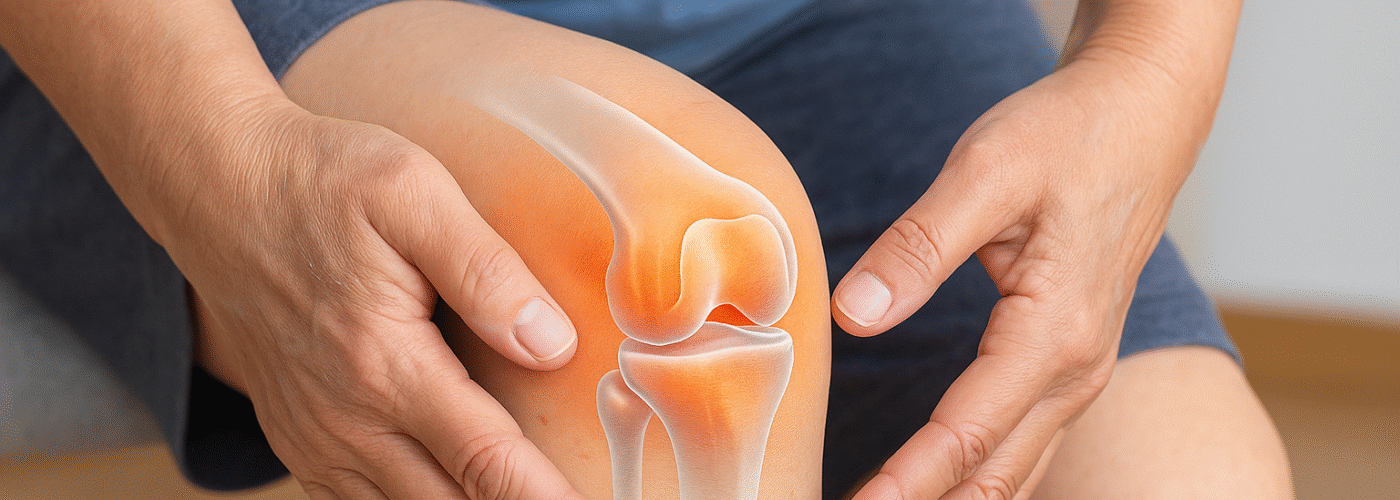
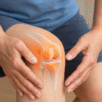
Joint lubrication plays a major role in how smoothly we walk, bend, climb stairs, sit, and move.
But as we grow older, many people start noticing stiffness, cracking sounds, pain, or discomfort in their joints.
This happens because joint lubrication naturally decreases with age — and understanding why can help you protect long-term joint health.
Let’s break it down in simple language.
Our joints are protected by a natural fluid called synovial fluid.
It acts like oil in a machine — keeping movement smooth and friction-free.
As age increases:
Less lubrication = more friction = more pain.
Cartilage is the soft, rubber-like cushion between two bones.
It prevents bones from rubbing against each other.
But with age:
This reduces smooth movement and increases stiffness.
Hyaluronic acid helps retain moisture in joints and keeps them lubricated.
After age 30, the body’s hyaluronic acid levels start dropping.
This leads to:
Hyaluronic acid is also present in many joint-support nutraceuticals.
Collagen is the protein that gives strength and elasticity to joint tissues.
With age:
This is why cartilage becomes weaker as we grow older.
Joints already have low blood supply.
With age, circulation reduces even more.
Low blood supply →
less nutrients →
slower repair →
less lubrication
This is one major reason healing becomes slow.
Age is not the only reason.
Daily lifestyle has a huge impact:
All these increase wear & tear, reducing lubrication further.
Aging naturally increases inflammatory chemicals in the body.
Inflammation leads to:
This is common in knee, shoulder, and spine joints.
The good news?
You can improve joint lubrication with simple habits:
Keeps synovial fluid active.
Water is essential for joint fluid formation.
Reduce joint inflammation.
Walking, cycling, yoga support joint health.
Reduces pressure on knees.
These help support cartilage and lubrication balance.
Some nutraceutical supplements combine important joint-lubricating nutrients like Collagen Type-II, Hyaluronic Acid, Chondroitin & Rosehip Extract.
One example of such a joint-support formula is Tab. Ossetin, designed to support lubrication, flexibility and joint comfort.
Learn more:
https://easydoseflat40pharmacy.com/product/tab-ossetin/
Joint lubrication naturally reduces with age — but stiffness and pain are not things you have to accept.
With the right lifestyle, nutrition, and joint-support habits, you can keep your joints flexible, cushioned and active for years.
Take care of your joints today — they carry you for life.